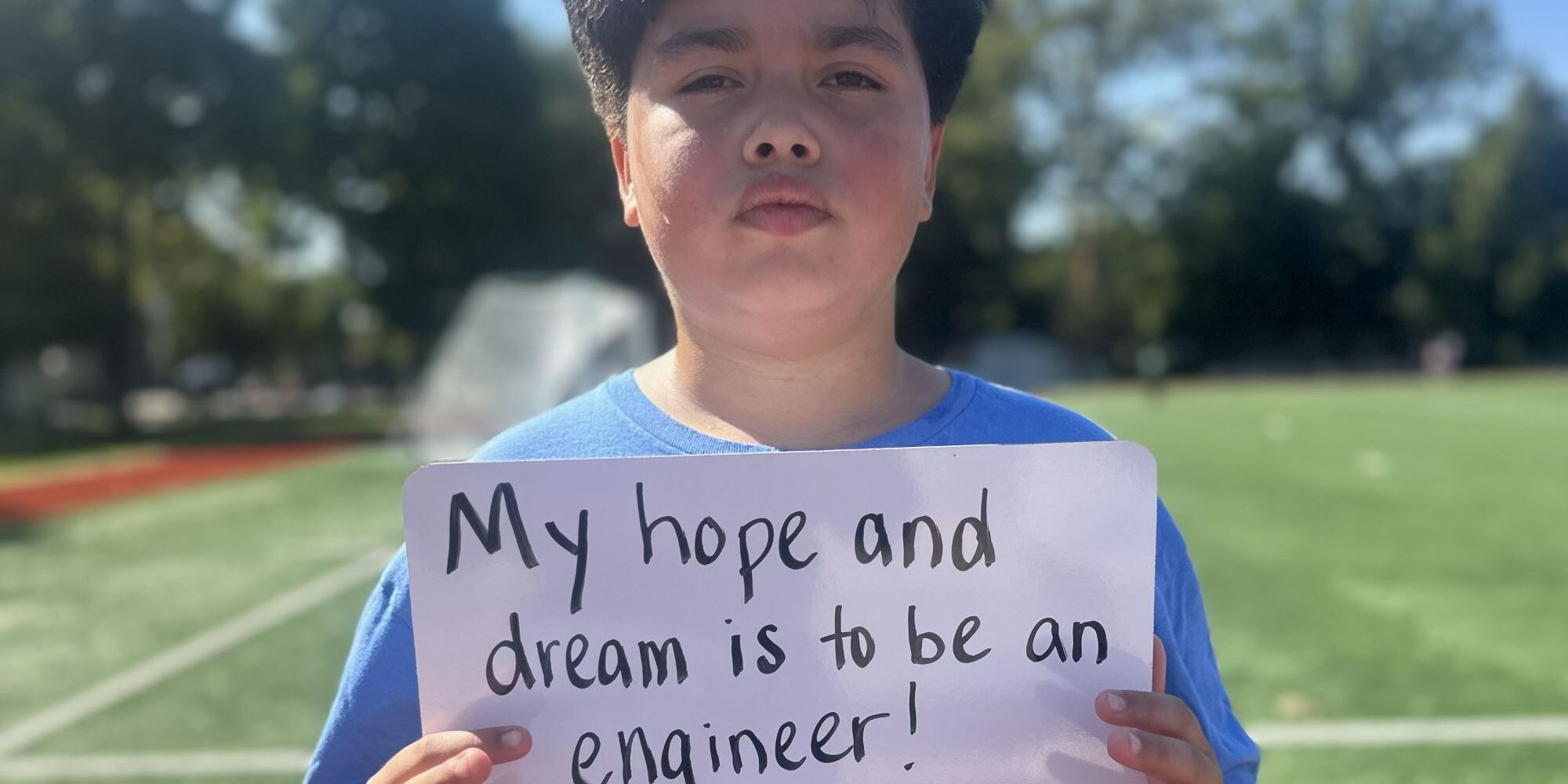
On October 21, 2026, the DC Council held a hearing to consider whether, when, and how to expand education in skilled trades and to identify any obstacles that limit the participation of students in these pathways. CEO Toni Barton was among the DC education leaders, public school students, and teachers who called the Council to expand these opportunities.
Ms. Barton highlighted the need for early opportunities to be expanded, beginning in elementary school. And she noted the need for DC to fully fund these crucial opportunities for all students, including at DC charters and through partnerships. Read her full testimony below.
Good afternoon, Chairman Mendelson and members of the Committee. I am Toni Barton, CEO of E.L. Haynes Public Charter School. Thank you for focusing on career-connected education and the Advanced Technical Centers.
Councilmember Frumin’s call for pathways, Councilmember Silverman’s reflections on COVID and early preparation for medical careers, and Councilmember Parker’s point about “giving purpose to our young people” speak directly to our model. Councilmember Parker, thank you for recognizing Jennie Niles’ work at CityWorks. Through our evolving PK–12 STEAM model, we are building on Jennie’s founding vision and the legacy of our namesake, Euphemia Haynes, the first Black woman to earn a PhD in mathematics. This shared priority must carry weight in the city’s decisions about which educational programs the District supports, funds and makes available to more students.
Haynes is building an inclusive PK–12 STEAM model connecting strong academics, early exposure to science, technology and the arts, middle school exploration, and high school specialization. It advances D.C.’s college and workforce goals and reflects the preparation Toni, the Phelps graduate, described today.
Having already expanded elementary technology education, we will continue building on this foundation. We aim to establish medical and IT pathways connecting coursework, college credits, credentials, and degrees, fully including students with disabilities and multilingual learners.
Our first ATC participants this year include a pre-nursing student. Imagine her preparation and informed choice after studying the human body in elementary school and health sciences in middle school. Haynes’ PK–12 STEAM model addresses the gaps the CTE expert described, building skills for advanced coursework, apprenticeships and college while allowing interests to evolve. Access matters too: last year, applicants equaled roughly 25 percent of a grade-level cohort, yet half could not participate. We ask the District to invest in both preparation and access.
Councilmember Frumin, you asked how we create more paths and reach more peers. The students from KIPP, Sojourner and Phelps showed us why that matters. Their testimony stayed with me, too, especially as I think about Haynes’ access to just 11 ATC seats. We are building additional pathways through our PK–12 STEAM model, beginning in elementary school, requiring investment in staff, facilities and equipment. Available classroom seats elsewhere in the city do not establish access to these opportunities. Decisions about educational need must account for the pathways those seats offer and the students still waiting for access.
I urge the Council to support this work in two key ways.
- First, fund both ATC expansion and school-based pathway development.
- Second, enable shared programs and sustained partnerships.
Thank you.